Cash Is Oxygen
Why Liquidity Matters at Every Stage of Business

Cash is not just a finance metric—it’s the organization’s operating freedom.
At any stage, companies can endure a bad quarter, a delayed project, or a strategic pivot, if they have liquidity. Without it, even strong businesses can stall or fail. For newly founded and small businesses, cash matters even more because they have fewer buffers, less bargaining power, and limited access to fast, affordable capital.
In my 25+ years in business cash has always been a recurring topic — In good and in bad times.
Cash keeps the lights on. Payroll, rent, software, taxes, and suppliers often require payment on fixed dates. Cash ensures operational continuity without disruption.
Timing gaps can break even healthy businesses. Many companies “make money” on paper but run out of cash because customer payments arrive after expenses are due. Growth can worsen this gap when it requires upfront spending.
Cash buys resilience. Late-paying customers, unexpected repairs, seasonality, returns, and market shifts happen to every business. Cash turns these events into manageable problems instead of existential threats.
Cash protects relationships and reputation. Paying suppliers on time preserves trust, service levels, and favorable terms—especially important when a small business needs reliability and flexibility from partners.
Cash enables smart decisions. Liquidity reduces panic. It keeps the companies in charge. Choose the right hire, the right marketing channel, and the right product timeline—rather than whichever option is cheapest this week.
A Real-World Example
I recently worked with a very successful mid-size client in additive manufacturing. Their bank notified them they were about to breach their covenants, meaning the loan funding their operations could be called immediately. That single event would have forced bankruptcy.
The surprising part? The company had a strong order portfolio, growing quarter over quarter.
The issues were structural; Most projects took between 9 -12 months to complete. Materials were purchased in bulk upfront to reduce cost. Cash outflows happened long before cash inflows.
This is a classic mismatch between cash inflow and cash outflow - and it nearly destroyed an otherwise strong company.
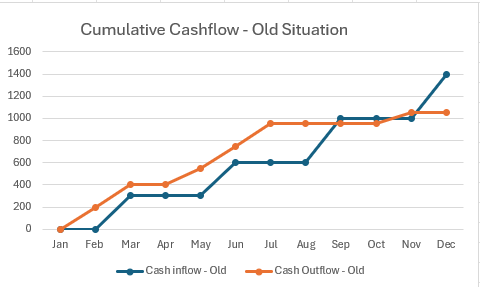
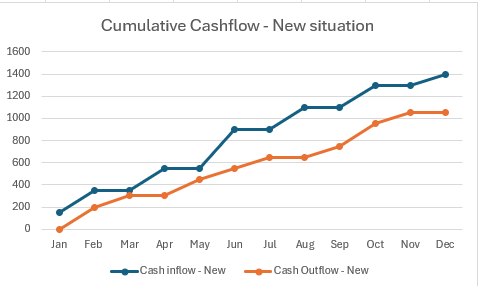
Here is how we addressed it; First order of business, Speeding up the inflow. We introduced milestone billing, shortened the payment terms, and had the client follow up consistently. What you tolerate becomes your cash cycle.
Implement a Weekly Rolling Forecast. We created a weekly cashflow forecast with rolling visibility, updated using actual results. Visibility creates information - and information separates proactive decisions from emergency actions.
Manage payables strategically. We renegotiated supplier contracts to maintain volume discounts while shifting to partial deliveries. This preserved pricing advantages while controlling the cash outflow.
Price for margin and working capital. We shifted the company’s entire cashflow philosophy. Pricing must cover not only costs and profit, but also the cash required to deliver. Deposits, retainers, and milestone billing became standard when upfront spending was required.
Secure financing before you need it. We emphasized establishing a line of credit early. The best time to negotiate funding is when cash is strong - not when it’s urgent.
Profitability Builds Value, Cash Protects Survival
Profitability builds long-term value, but cash determines day-to-day survival and strategic freedom. Treat cash management as a leadership priority, and you protect the business, unlock growth, and gain the leverage to make better decisions—especially when the company is new or small and every surprise costs more.
At Stratledger Advisory we help businesses design customized cash management strategies that strengthen resilience and support sustainable growth,
Let’s have a conversation. - www.stratledger.com